WHAT IS SPIRITUAL GROWTH

Spiritual growth is the ongoing, lifelong process of becoming more aligned with God’s character, His truth, and His purposes. It is not a moment, but a movement—a steady transformation of the inner life that reshapes how a person thinks, lives, loves, and responds to the world.
At its core, spiritual growth begins with relationship. In the Christian context, it flows out of a living connection with God through Jesus Christ. This relationship is not static; it deepens over time through prayer, study of Scripture, obedience, and trust. As a person walks with God, they begin to reflect His nature more clearly.
One of the clearest biblical pictures of spiritual growth is found in Galatians 5:22–23, where the “fruit of the Spirit” is described: love, joy, peace, patience, kindness, goodness, faithfulness, gentleness, and self-control. Growth is not measured merely by knowledge, activity, or outward appearance, but by the increasing presence of these qualities in a believer’s life. It is evidence that God is at work within.
Spiritual growth also involves transformation of the mind. Romans 12:2 speaks of being “transformed by the renewing of your mind.” This means learning to think differently—to see life from God’s perspective rather than the world’s. Old patterns of fear, pride, or selfishness are gradually replaced with truth, humility, and faith.
Another essential aspect is maturity through testing. Growth does not happen in comfort alone. Challenges, trials, and even suffering become tools in God’s hands. As written in James 1:2–4, trials develop perseverance, and perseverance leads to maturity. What feels like pressure often produces depth, endurance, and stronger faith.
Spiritual growth also requires intentional participation. While God provides the power for transformation, individuals are called to cooperate with Him. This includes disciplines such as:
-
Consistent prayer (communication with God)
-
Study and meditation on Scripture
-
Worship and gratitude
-
Fellowship with other believers
-
Acts of service and love
These are not rituals for appearance, but practices that cultivate closeness with God and openness to His work.
Importantly, spiritual growth is progressive, not instant. Even the most mature believers are still growing. The Apostle Paul, writing in Philippians 3:12–14, acknowledged that he had not “already arrived,” but continued pressing forward. Growth involves setbacks, learning, repentance, and renewed commitment.
There is also a shift in focus as growth occurs. Early in the journey, the focus may be on personal needs—peace, direction, or healing. Over time, it expands outward toward God’s will, His kingdom, and the well-being of others. A growing believer increasingly asks, “How can I reflect Christ?” rather than “What can I get?”
Finally, spiritual growth leads to greater intimacy with God and greater impact in the world. It produces stability in uncertain times, wisdom in decision-making, and compassion toward others. It shapes a life that not only believes in God but demonstrates His presence through action and character.
In simple terms, spiritual growth is becoming more like Christ—day by day, choice by choice—until faith is not just something one holds, but something one lives.
View our latest work
Discover our collection of creative work and visual projects. In this section, you will see cover pages to the myriad devotionals we make available to our participants. The following section includes clips from the messages we make available via video.



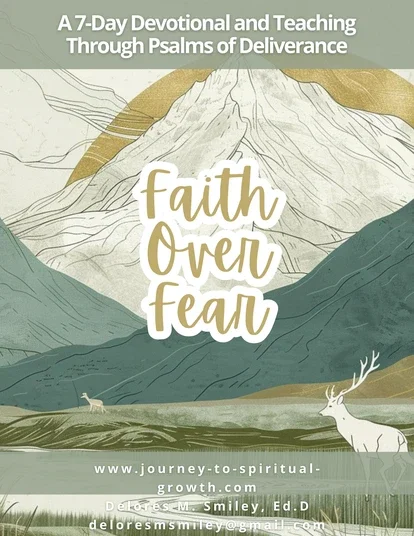











View our Ongoing work
Discover our collection of creative work as it relates to clips from longer video messages. Each clip showcases our attention to subjects of interest to spiritual practitioners and our commitment to delivering results that exceed expectations.